
Horse Osteopathy – Enhancing Mobility and Performance
Horses are powerful, graceful animals, but they are also highly susceptible to musculoskeletal issues due to the physical demands placed on their bodies. Whether your horse is a competitive athlete or a beloved companion, maintaining their musculoskeletal health is essential to their overall well-being and performance. Osteopathic manual treatment (OMT) is a gentle, non-invasive therapeutic approach that focuses on addressing the underlying causes of physical dysfunction in horses, helping them recover from injuries, improve mobility, and enhance their performance.
At Tabitha – The Animal Osteopath, we specialize in providing osteopathic care for horses, using hands-on techniques to promote better movement, reduce pain, and restore balance to the body. In this blog post, we’ll explore what osteopathic manual treatment is, how it works, and the significant benefits it offers to horses of all ages and activity levels.
What is Osteopathic Manual Treatment?
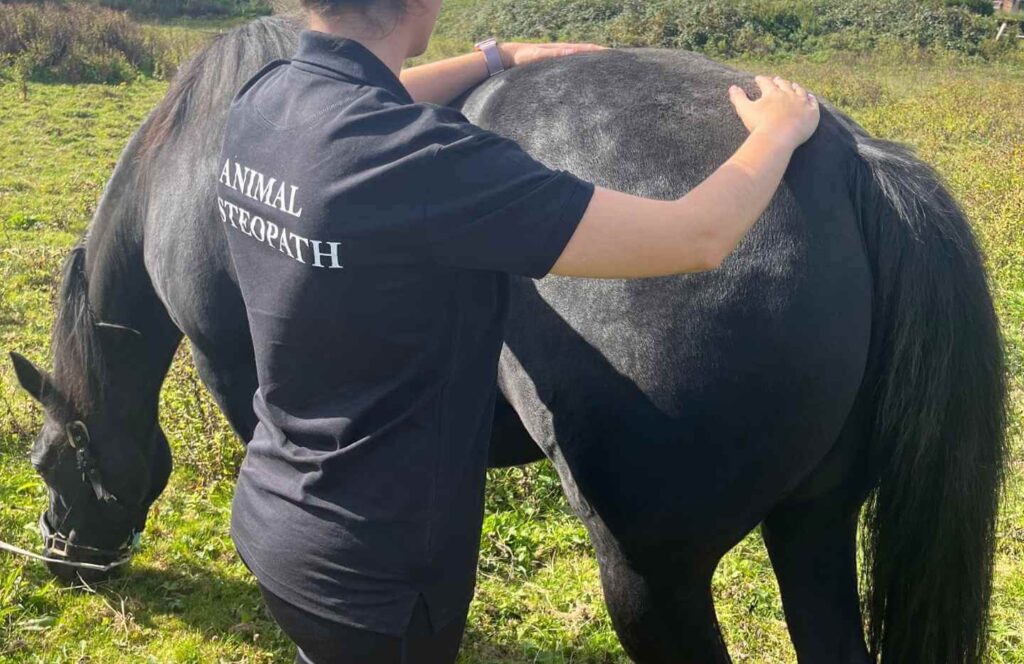
Osteopathic manual treatment (OMT) is a form of therapy that involves using the hands to assess, diagnose, and treat dysfunctions in the body’s musculoskeletal system. The focus is on identifying areas of tension, misalignment, or restricted movement that may be affecting the horse’s overall health and performance. By using gentle techniques such as stretching, soft tissue manipulation, and joint mobilization, osteopaths help restore proper movement and function to the affected areas.
OMT is based on the principle that the body is a self-healing, self-regulating system, and when the musculoskeletal system is in balance, the body can function more efficiently. For horses, this means that osteopathic treatment can address a range of issues, from acute injuries to chronic conditions, while also helping to prevent future problems from developing.
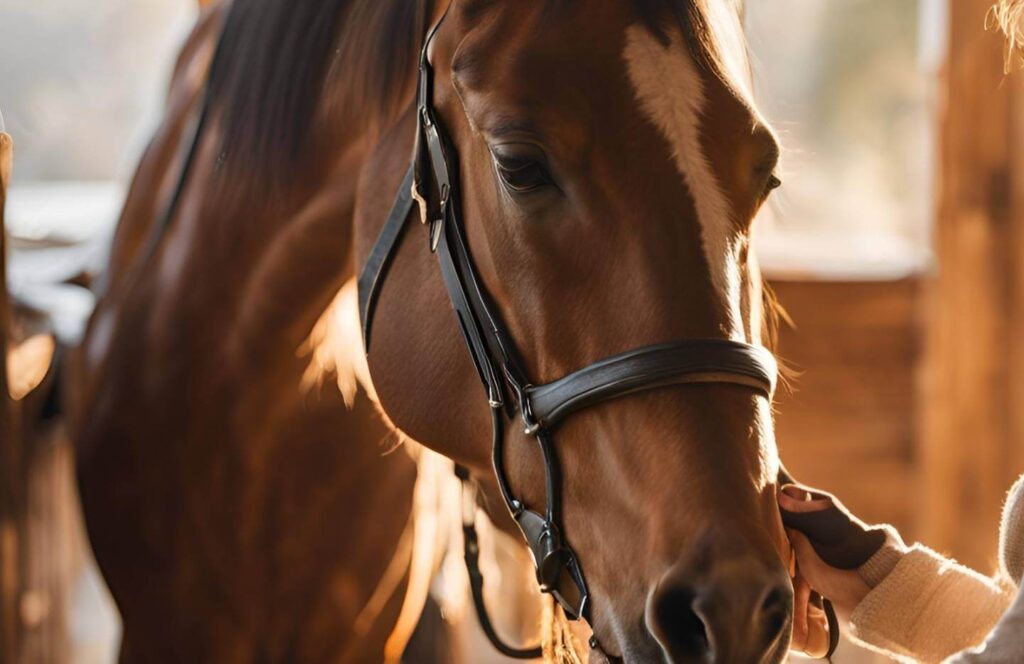
How Osteopathic Manual Treatment Benefits Horses
Horses, especially those involved in competitive disciplines such as dressage, show jumping, or racing, are prone to a variety of musculoskeletal issues. These issues can arise from repetitive stress, improper posture, poor movement mechanics, or even injuries sustained during training or competition. Osteopathic manual treatment helps by addressing the root cause of these problems, improving the horse’s mobility, comfort, and performance.
Here are some of the key benefits of osteopathic manual treatment for horses:
1. Improving Mobility and Flexibility
One of the primary goals of osteopathic treatment is to improve the horse’s mobility and flexibility. Horses may develop stiffness or restricted movement in their joints and muscles due to physical exertion or injury. Osteopathic techniques help release tension and improve the range of motion, allowing the horse to move more freely. This is especially important for performance horses, as restricted movement can negatively impact their ability to perform at their best.
By enhancing flexibility, OMT helps reduce the risk of injuries caused by muscle imbalances or compensatory movements. Horses that are more flexible are less likely to experience strains, sprains, or other soft tissue injuries.
2. Reducing Pain and Discomfort
Horses, like humans, can experience pain and discomfort due to musculoskeletal issues. Whether it’s back pain, joint stiffness, or muscle tension, these issues can significantly impact the horse’s quality of life and ability to perform. Osteopathic manual treatment helps alleviate pain by addressing the underlying causes of discomfort. By restoring proper alignment and function to the joints, muscles, and soft tissues, osteopathy promotes natural pain relief and reduces the need for medications.
For horses with chronic conditions such as arthritis or degenerative joint disease, OMT provides a gentle, non-invasive way to manage pain and improve overall mobility. Regular osteopathic treatment can also help slow the progression of these conditions by maintaining joint health and flexibility.
3. Enhancing Recovery from Injuries
Horses are prone to a range of injuries, from tendon strains to ligament tears, and recovering from these injuries can be a long and challenging process. Osteopathic manual treatment is an effective tool in the rehabilitation process, helping to speed up recovery and prevent compensatory issues from developing. By improving circulation, reducing inflammation, and restoring normal movement patterns, osteopathy supports the body’s natural healing processes.
In addition to addressing the injured area, osteopathy looks at the whole horse to ensure that other parts of the body are not compensating for the injury. This holistic approach helps prevent further issues and ensures a full recovery.
4. Optimizing Performance
For horses involved in competitive sports, optimal performance is essential. Osteopathic manual treatment helps keep your horse in peak condition by addressing any underlying issues that may be affecting their performance. Whether it’s a subtle imbalance in their gait or tension in their back, OMT can help improve your horse’s movement and coordination, allowing them to perform at their best.
Regular osteopathic treatment can also help prevent injuries caused by overexertion or repetitive strain. By ensuring that your horse’s musculoskeletal system is functioning optimally, osteopathy helps reduce the risk of injuries that could keep them out of competition.
When Should You Consider Osteopathic Treatment for Your Horse?
Osteopathic manual treatment is beneficial for horses of all ages and activity levels, from young horses in training to senior horses experiencing the effects of aging. You may want to consider osteopathic treatment for your horse if you notice any of the following signs:
- Reduced mobility or stiffness in their movement
- Difficulty performing certain movements or exercises
- Behavioral changes, such as irritability or reluctance to work
- Signs of pain or discomfort, such as head tossing or tail swishing
- Uneven gait or limping
- Recovery from an injury or surgery
Even if your horse is not showing obvious signs of discomfort, regular osteopathic check-ups can help identify and address potential issues before they become more serious. Preventive care is essential for maintaining your horse’s long-term health and well-being.
The Osteopathic Treatment Process
At Tabitha – The Animal Osteopath, our osteopathic treatment process begins with a thorough assessment of your horse’s overall health and movement. This assessment allows us to identify any areas of tension, misalignment, or dysfunction that may be affecting their mobility or performance.
Once the assessment is complete, we use a combination of hands-on techniques to gently manipulate the joints, muscles, and soft tissues. These techniques are designed to promote better movement, reduce pain, and restore balance to the body. The treatment is always tailored to the specific needs of your horse, ensuring that they receive the most effective care.
Our goal is to provide a holistic approach to your horse’s health, addressing not just the symptoms but the underlying causes of their discomfort. We work closely with horse owners, trainers, and veterinarians to ensure that your horse receives the best possible care.
Conclusion: The Importance of Osteopathic Manual Treatment for Horses
Osteopathic manual treatment offers a natural, non-invasive approach to improving your horse’s mobility, reducing pain, and enhancing performance. Whether your horse is a competitive athlete or a cherished companion, regular osteopathic care can help them stay healthy, agile, and comfortable.
At Tabitha – The Animal Osteopath, we are dedicated to providing expert osteopathic care for horses in East Grinstead and surrounding areas. Our gentle, hands-on techniques help your horse recover from injuries, manage chronic conditions, and perform at their best.
If you believe your horse could benefit from osteopathic treatment, contact us today to schedule an assessment. We’re here to help your horse live a healthier, more comfortable life.

